How to calm irritated skin: soothing ingredients and simple steps

Red, itchy or stinging skin doesn’t always need a trip to the pharmacy. Here’s what actually helps at home.
Red, burning or itchy skin can ruin your mood and make every product on your shelf feel like the enemy. I've had sudden flare-ups from trying a new serum, overdoing acids or just bad luck with the weather. Most times, the fix is simpler than you’d think, if you know what to use and what to avoid.
Start with identifying the trigger
First, figure out what set your skin off. Did you recently try a new retinol or peel? Did you spend more time in the sun or wind? Sometimes the culprit is a fragrance or essential oil in a new product. Other times, harsh cleansers or hot water strip your skin’s natural barrier. If you suspect a product, set it aside for now. Don’t test your patience, or your skin, by pushing through, no matter how promising the bottle looks.
Keep your routine simple
When your skin feels angry, strip things back. Forget the actives, scrubs, or even most toners. Stick with gentle basics:
- Cleanser: Use a fragrance-free or milky cleanser. Avoid foaming formulas with sulfates.
- Moisturizer: Go for a plain, rich cream or balm. Avoid products with acids, retinol, vitamin C or heavy fragrance.
- SPF: If you have to go outside, use a mineral sunscreen (zinc oxide or titanium dioxide) since chemical filters sometimes sting.
Skip exfoliation, masks, and anything labeled as brightening or resurfacing. If you have a favourite mist, check the ingredients, some contain alcohol or oils that can make things worse right now.
Soothing ingredients that actually help
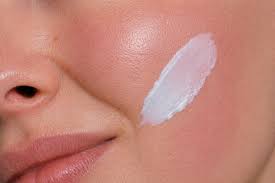
Oat, aloe and panthenol (also called pro-vitamin B5) are my top choices when my skin feels hot, red or itchy. Colloidal oatmeal, in particular, calms and softens rough patches fast. Aloe is best in plain gels with few added ingredients. Panthenol pops up in some healing balms and gels, and helps skin hold onto moisture.
Ceramides and squalane are safe bets for helping your skin barrier recover. They’re in lots of fragrance-free moisturizers made for sensitive skin. Glycerin and hyaluronic acid are fine for most, but skip them if your skin is cracked or you feel a strong burning sensation.
Things to avoid: menthol, peppermint, citrus oils, or any strong scents. These feel cooling at first but usually make sensitivity worse.
Extra tips for flare-ups
- Cool compress: Soak a clean washcloth in cold water and hold it on your skin for a few minutes. Repeat as needed for itch or heat.
- No rubbing: Gently pat skin dry after washing. Don’t use makeup wipes or rough towels.
- Short, lukewarm showers: Hot water can make things worse. In the bath, sprinkle in a handful of plain oats tied in a washcloth for a calming soak.
- Give it time: Skin usually settles after a couple of days with gentle care. If things get worse or you see oozing, blisters or spreading rash, call your doctor.
What I wish I’d known sooner
I used to grab every calming mask or “redness relief” product I saw, but many of them were loaded with ingredients that only made things worse. Now, when my skin acts up, I do less, not more. My routine shrinks to two or three plain products, and I remind myself it’s fine to skip everything else until things are back to normal. It’s less fun, but my face thanks me.
If you find yourself getting irritated often, check ingredient lists for hidden alcohols and essential oils, and keep a plain, soothing moisturizer on hand. The simpler, the better. Most of the time, your skin can recover on its own with a little patience and the right support.